How Traditional Banking Systems Created Competitive Moments
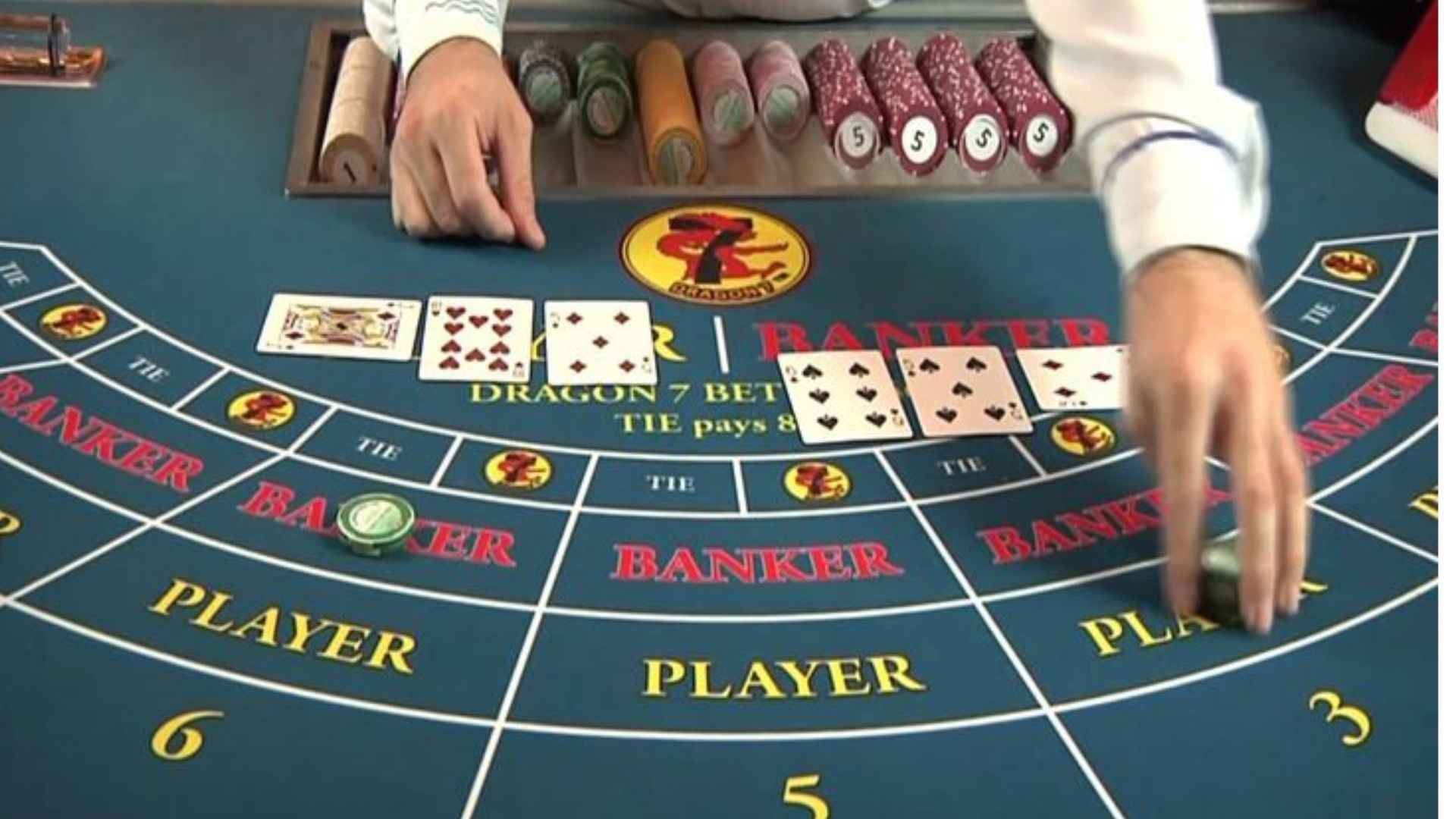
The architecture of classic table games often mirrored the financial systems of their time, relying heavily on localized risk allocation. Before automated systems and specialized dealers took over, traditional gaming structures required participants to manage the capital pool themselves. This design created an intense landscape where personal accountability and strategic positioning dictated the flow of every single round.
The Shared Risk of Capital Pooling
In older casino environments, the financial backing of a table was not maintained by an anonymous corporate entity. Instead, the right to hold the bank shifted among the participants, requiring individuals to absorb the collective wagers of the room. This structure transformed passive observation into an active financial challenge, as everyone kept a close eye on the bank's current liquidity.
When a player assumed the banking position, they took on full liability for the table's outcomes. This arrangement heightened the emotional stakes and forced competitors to weigh their choices against the financial endurance of the banker. The resulting environment fostered unique psychological standoffs that are rarely found in modern automated layouts.
Tactical Shifts in Player Dynamics
Because the banking role carried substantial exposure, participants adapted their strategies based on who held the financial reins. Seasoned players looked for subtle signs of hesitation or overconfidence from the person managing the table's funds. Every dealt card became part of a larger negotiation between the crowd and the single individual protecting the capital pool.
These ancient structural dynamics laid the foundation for the structured rules found in modern gaming platforms. Enthusiasts who wish to experience the legacy of these intense card-comparing systems can explore contemporary digital variants through an m88 platform. These online spaces maintain the traditional numerical objectives while utilizing automated dealers to handle the underlying payouts seamlessly.
The Balance of Power at the Table
The competitive nature of traditional systems reached its peak when multiple participants attempted to claim the banking privileges simultaneously. Auctions or formal rotations were used to resolve these conflicts, turning the administrative setup into a game within itself. Securing the bank was seen as both a major financial opportunity and a significant test of nerves.
By controlling the bank, a participant could set the financial boundaries of the round and influence how others approached their wagers. This balance of power ensured that table awareness remained just as important as the actual value of the cards. The historic design successfully combined financial risk management with real-time social competition.
Evaluating the Historic Gaming Framework
Analyzing how old-world tables operated reveals a deep connection between human behavior and structural mechanics. Traditional setups thrived because they allowed players to directly confront the source of the table's capital rather than playing against a detached system. This direct interaction kept the competitive spirit alive across extended gaming sessions.
Ultimately, the history of localized banking highlights the timeless appeal of shared risk and strategic observation. While modern layouts prioritize speed and convenience, the foundational mechanics of older variants offer valuable lessons in game design. Recognizing these historic roots gives players a richer understanding of how today's popular casino staples originally achieved their global status.